
Most kids spend lots of time socializing with friends online. This way, they get exposed to various online threats. As a parent, it can be challenging to control what they watch. So, it’s best to limit their access to dangerous information. There are many ways to protect them. The best way is to teach them how to reject that data.
Preventing kids from seeing adult content goes beyond blocking websites and apps. It helps kids understand how to use the internet safely. Knowing the risks of inappropriate content makes people more responsible online.
Below are ways in which kids can repudiate pornographic information online:
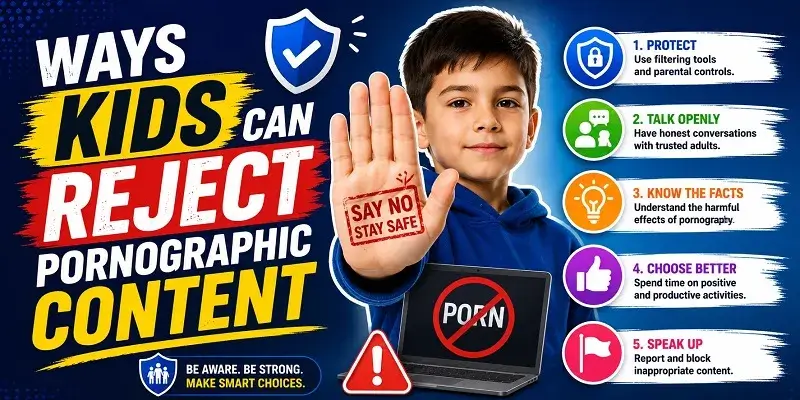
1. Use a site blocker
Many sites limit your searches and block unwanted content on your phone. Teaching your kids how to use a site blocker is a great idea. This way, they can always avoid and stay away from places that contain adult content.
2. Delete porn apps from the computer
In cases where there are dangerous apps installed on kids’ devices, teach them how to delete them. Your kid will probably struggle to avoid this content if they have all the apps on their phone. So, uninstall harmful app settings and be safe. Similarly, your kid can do away with the device; an excellent way of achieving this is by selling their phone. Search for “sell my phone near me.” Several sites buy used devices; you can always get them online.
3. Research more
There’s a lot of information online on how pornography degrades kids once they get addicted to it. Talk to your kids about the downsides of watching pornography when you’re not home. This way, they will understand the effects better. They are likely to reject any materials with adult content.
Safe Internet Habits vs Unsafe Internet Habits
| Safe Internet Habits | Unsafe Internet Habits |
|---|---|
| Using parental control tools | Visiting unknown websites freely |
| Researching online safety topics | Ignoring internet safety guidelines |
| Blocking adult websites and apps | Downloading harmful applications |
| Talking openly with parents | Hiding online activity from parents |
| Watching age-appropriate content | Accessing explicit or adult material |
| Limiting screen time | Spending unlimited time online |
| Learning responsible internet usage | Sharing personal information online |
Frequently Asked Questions
Why is it important to protect kids from inappropriate online content?
Protecting children from harmful online content is essential. Exposure can negatively impact their mental state, behavior, and emotional health. Children can become addicted to these materials early on. This can harm their school performance and personal life.
What are the best ways to block adult content online?
Parents can limit access to inappropriate websites. They can use parental control apps and safe search features. They can set browsing limits and block specific apps. Most hardware and ISPs have safety features available as well. Parents can enhance their kids’ online experience with these tips. Also, they should encourage open discussions.
How can parents teach children about online safety?
Parenting involves teaching kids about online safety. This includes talking openly about internet threats. It also means encouraging responsible browsing habits. Parents should warn kids about the dangers of bad websites. They should also talk about security concerns with mobile apps. This helps keep children safe online. Teach kids to protect personal information, handle cyberbullying, and use social media wisely.
Are parental control apps effective for protecting children?
Yes, parental control apps are very effective if used properly. Parental control helps parents check online activity. They can block harmful websites, limit screen time, and manage app installs. Parental control works best with education, trust, and open talks between parents and kids.
How does excessive exposure to adult content affect children?
Too much exposure to adult material can harm children’s psychological growth. It may lead to unrealistic attitudes, substance abuse, and reduced interest in studies. Kids who see this content early may feel confused and anxious. Platforms like Educationbeing.com: Learn – Lead & Excel support parents and students in building positive learning spaces. They support healthy educational growth.
Conclusion
Ensuring children’s safety on the Internet is now a key responsibility for parents. Since kids spend a lot of time online and on social media, parents must teach them how to stay safe while browsing. They should also grasp how social media boosts cross-cultural marriages. Social platforms connect people from diverse cultures and backgrounds worldwide.
Parents should teach their kids good online habits. Limiting internet use isn’t enough. This approach keeps them from seeing inappropriate content. It also teaches them how to browse the web safely. Parents should know what localized content is. This helps them guide children to age-appropriate and culturally relevant online material.