
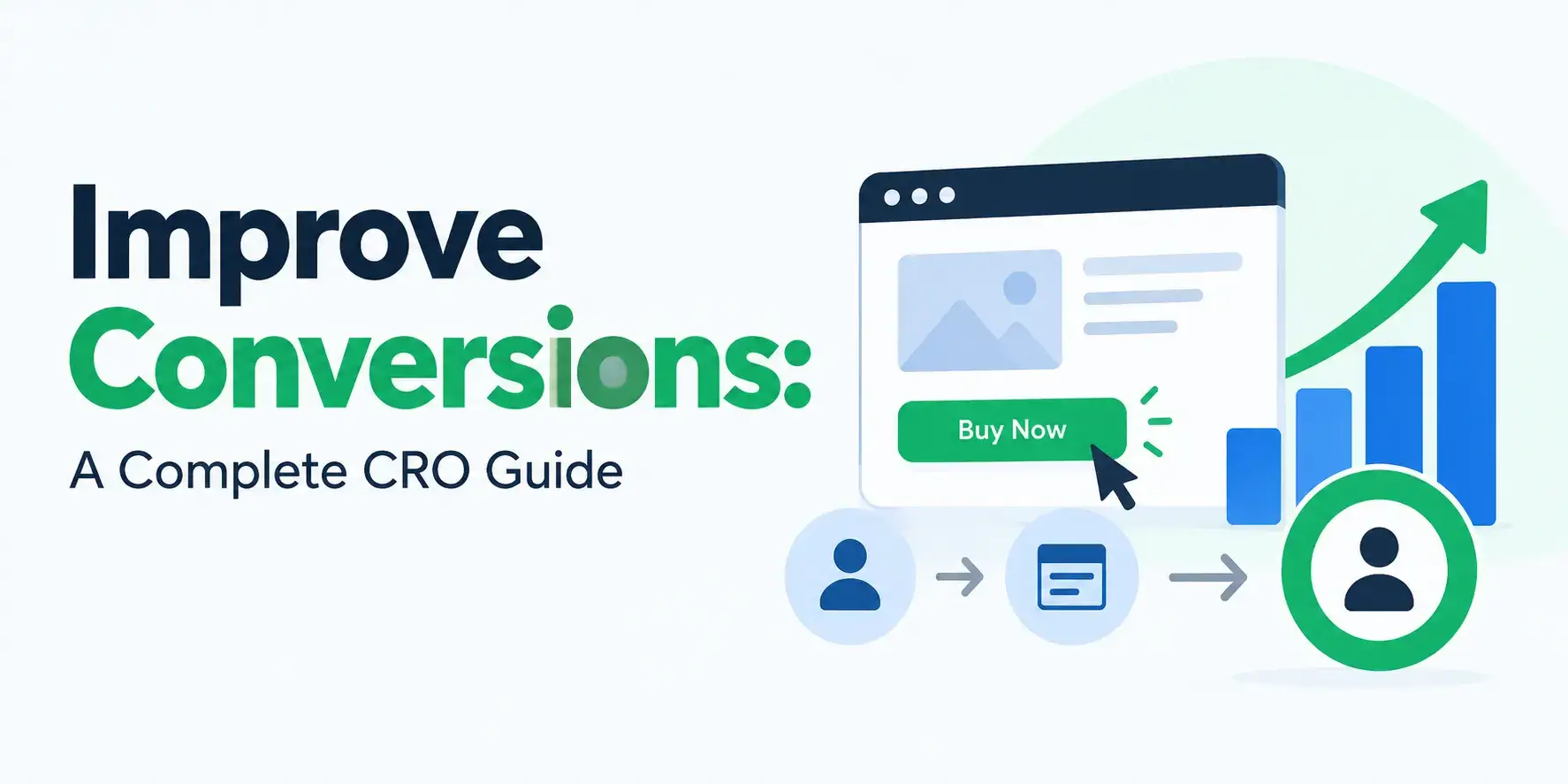
Digital marketing is a long-term process. The main goal of any online strategy is to turn website traffic into valuable customers.
Driving traffic to your website is not enough. You also need to convert that traffic into customers, improve profitability, and stay ahead of your competitors. Along with traditional marketing tactics, you should use creative ways to improve conversions and return on investment (ROI), including conversion-focused widgets.
In this article, we’ll cover the top ways to increase your conversion rates, build customer loyalty, and improve profitability.
Let’s begin!
Top Ways to Improve Website Conversions
Here are some of the most effective ways to improve your website conversion rate in 2026.
1. Create High-Quality Content
Before buying a product or service, customers often research a brand online. They may read blog posts, watch videos, listen to podcasts, or attend webinars to learn more about the business.
Blogging can increase conversion rates by approximately 2.9%.
High-quality, useful content helps you build authority and earn your audience’s trust. When you consistently share helpful information, you can attract new customers and encourage existing customers to stay with your brand. Quality content can also support word-of-mouth marketing.
Search engines also look for useful, relevant content, so following SEO tips to optimize your content can help improve your website’s visibility. Creating high-quality content can help your website rank higher, attract more qualified traffic, and generate more leads.
Here’s how to create content that keeps visitors engaged and encourages conversions:
- Choose relevant topics that match your niche and audience.
- Research your audience’s needs, problems, and interests using feedback, reviews, comments, social listening, and data.
- Use information from reliable and trustworthy sources.
- Get insights from industry experts and experienced professionals.
- Use a professional but engaging tone.
- Add relevant, authentic, and high-quality images and graphics.
- Create evergreen and in-depth content that stays useful over time.
- Include accurate and up-to-date statistics.
- Add clear and compelling calls to action (CTAs).
- Keep up with the latest digital marketing trends.
- Build a strong internal linking structure between related pages and content.
- Publish useful content consistently across different formats using a reliable content management system.
- Focus on creating content that makes your brand recognizable within your niche.
2. Perform On-Page SEO
Your website plays an important role in how customers view your brand. A well-optimized website can make your business look more reliable and trustworthy.
Improving elements such as page speed, navigation, internal links, keywords, and page structure by following an on-page SEO checklist can help turn visitors into customers. A well-optimized website also keeps visitors engaged for longer.
The longer visitors stay and interact with your website, the more opportunities you have to convert them.
Regularly audit your website with SEO tools such as Ahrefs and Semrush. These tools can help you find issues such as irrelevant pages, keyword stuffing, broken links, and other technical problems.
Fix these issues to improve the user experience and prevent visitors from leaving for a competitor.
Page speed also matters. Monitoring Core Web Vitals and using a fast and reliable hosting provider can help improve your website’s performance. Speed tests can help you find problems that slow down your website.
You can improve page speed by:
- Compressing and optimizing images and videos.
- Removing unnecessary scripts and elements.
- Reducing unnecessary redirects.
- Fixing broken links.
- Improving your website’s overall structure.
- Keeping your website code clean and efficient.
3. Use Chatbots and Customer Support
Strong customer relationships start with a good customer experience. When you quickly answer questions and solve problems, visitors are more likely to trust your brand and become customers.
AI chatbots for customer support can help you communicate with potential customers at any time, providing quick assistance around the clock. Some businesses report conversion increases of 10% to 100% after implementing chatbots.
Fast responses matter. The sooner you address a potential customer’s questions or concerns, the easier it is to build trust and move them toward a purchase.
First, identify the channels your audience uses most. Then create a smooth customer support experience across those channels.
Consider offering support through:
- Your website.
- Social media.
- Email.
- Messaging platforms.
AI-powered support can handle common questions and guide visitors until a human representative can help with more complex issues.
Chatbots can also collect useful customer information through conversations. You can use these insights to improve your products, services, and customer experience.
4. Perform A/B Testing
A/B testing compares two versions of a webpage to find out which one performs better.
You can test different elements, such as:
- Headlines
- Page layouts
- Colors
- Images
- Landing pages
- Pop-ups
- CTAs
- Forms
- Offers
Once you find the version that performs better, use those insights to improve your website and increase conversions.
Before running an A/B test, study your audience and understand their needs, behavior, and problems. Then, set a clear goal for the test.
For example, you may want to:
- Increase sales
- Generate more leads
- Get more signups
- Reduce cart abandonment
- Increase form submissions
After setting your goal, test different website elements and compare the results.
Use analytics and AI tools for conversion rate optimization to track performance, analyze user behavior, and make decisions based on real data. Keep testing new ideas to create a better user experience and improve your conversion rate.
5. Create a Mobile-Friendly Website
More than half of website traffic comes from mobile devices, making mobile SEO important for businesses that want their websites to perform well on smartphones and tablets.
A mobile-friendly website also provides a better user experience. If your website is slow, difficult to navigate, or broken on mobile devices, visitors may leave and choose a competitor instead.
Your mobile website should be simple, fast, and easy to use. A good mobile experience can encourage customers to return and make repeat purchases.
Test your website regularly on different mobile devices and screen sizes. Check for problems with navigation, loading speed, buttons, forms, images, and page layouts.
Here are some ways to make your website more mobile-friendly:
- Use a mobile-first and responsive design.
- Remove unnecessary widgets and pages.
- Remove unnecessary plugins.
- Compress and optimize images.
- Make CTA buttons easy to see and tap.
- Leave enough space between links and buttons.
- Reduce unnecessary pop-ups.
- Keep forms short and simple.
How to Identify Why Your Website Is Not Converting
If your website gets plenty of visitors but very few conversions, understanding why your website is not ranking in Google can also help identify potential SEO and visibility issues that affect the quality of your traffic.
Start by checking your website analytics. Look at:
- Bounce rates
- Exit pages
- Traffic sources
- Conversion funnels
- Form abandonment
- Checkout abandonment
Heat maps and session recordings can show how visitors interact with your website. Customer feedback, surveys, and A/B tests can also help you find problems that prevent conversions.
Website Elements That Impact Conversion Rates
Several website elements can directly affect your conversion rate.
A strong headline tells visitors what you offer. Helpful content answers their questions. Clear CTA buttons show them what to do next.
Other important factors include:
- Mobile-friendly design
- Easy navigation
- Clear page layout
- Fast loading speed
- High-quality product images
- Clear pricing
- Simple forms
- Helpful product or service information
The goal is to make the customer journey as simple as possible.
Trust Signals That Can Increase Conversions
Customers are more likely to buy when they trust your business and website.
You can build trust by adding:
- Customer testimonials
- Reviews and ratings
- Case studies
- Security badges
- Contact information
- Guarantees
- Refund policies
- Industry certifications
Real customer experiences can be especially powerful. Reviews and testimonials show new visitors that other people have successfully used your product or service.
How to Measure CRO Success
Measuring conversion rate optimization (CRO) involves more than counting website visitors.
Track important metrics such as:
- Conversion rate
- Form completions
- Sales
- Signups
- Average order value
- Bounce rate
- Cart abandonment rate
Compare your results before and after making changes. This helps you understand whether your optimization efforts are working.
Use analytics and A/B testing to identify what works best and move closer to your business goals.
Common Website Conversion Mistakes to Avoid
Small problems can prevent a website from turning visitors into customers.
Common conversion mistakes include:
- Unclear messaging
- Too many pop-ups
- Weak or missing CTAs
- Long or complicated forms
- Slow page loading
- Poor mobile compatibility
- Hidden pricing
- A lack of trust signals
Don’t make visitors work to understand your offer. Keep your message clear, your website simple, and the next step obvious.
Frequently Asked Questions
1. What is conversion rate optimization (CRO)?
Conversion rate optimization is the process of improving a website so more visitors take a desired action.
That action could include:
- Buying a product or service
- Filling out a form
- Signing up for a newsletter
- Contacting a business
CRO uses customer data, user behavior, testing, and website improvements to increase conversions.
2. How can I increase my website conversion rate?
You can improve your conversion rate by optimizing landing pages, creating useful content, using strong CTAs, simplifying forms, building trust with reviews, and improving navigation.
Website speed and mobile-friendly design also matter.
You should also test different headlines, layouts, offers, images, and buttons to find what works best for your audience.
3. What is a good website conversion rate?
There is no single conversion rate that works for every website.
A good conversion rate depends on factors such as your industry, audience, traffic source, product or service, and conversion goal.
Instead of focusing only on a specific benchmark, focus on improving your current conversion rate over time.
4. How do I calculate website conversion rate?
To calculate your conversion rate, divide the number of conversions by the total number of visitors and multiply the result by 100.
For example, if 50 out of 1,000 visitors convert:
50 ÷ 1,000 × 100 = 5%
Your conversion rate is 5%.
5. How can I identify why my website isn’t converting?
Start by analyzing your website analytics, user behavior, traffic sources, and conversion funnel.
Look for pages with high bounce rates, abandoned forms, and abandoned checkouts.
You can also use surveys, customer feedback, heat maps, and session recordings to find problems such as confusing navigation, unclear messaging, or a lack of trust.
6. How does website speed affect conversion rates?
Website speed can have a major impact on the user experience and conversion rate.
Slow pages can frustrate visitors and cause them to leave before taking action.
To improve speed, optimize images, remove unnecessary scripts, use reliable hosting, and improve your website code.
7. How can chatbots improve website conversions?
Chatbots can increase conversions by answering visitor questions instantly.
They can help customers:
- Find products
- Understand services
- Get answers to common questions
- Find relevant pages
- Submit inquiries
- Take the next step toward a purchase
A good chatbot can reduce hesitation and provide support at important points in the customer journey.
8. How can I improve conversions without increasing website traffic?
You don’t always need more traffic to get more customers. You can often increase conversions by getting more value from your existing visitors.
Try these tactics:
- Optimize your landing pages.
- Simplify the checkout process.
- Write stronger CTAs.
- Add testimonials and reviews.
- Answer common customer questions.
- Offer personalized deals.
- Improve website speed.
- Run A/B tests on important page elements.
Conclusion: Improve Your Website Conversions
Attracting customers is an important part of running a successful business. But getting visitors to your website is only the first step.
You also need to give them a great experience, provide useful content, build trust, and make it easy for them to take action.
With the right conversion optimization strategies, you can turn more website visitors into customers, improve customer retention, and increase your overall ROI.
Start by testing the strategies in this guide. Measure the results, learn what works, and keep improving your website over time.